Nail Care Do's & Don'ts: 6 Rules for Stronger Nails
October 22, 2026
Strong nails start long before the polish goes on. These six practical do's and don'ts focus on gentle handling, regular moisturizing and avoiding unnecessary damage.
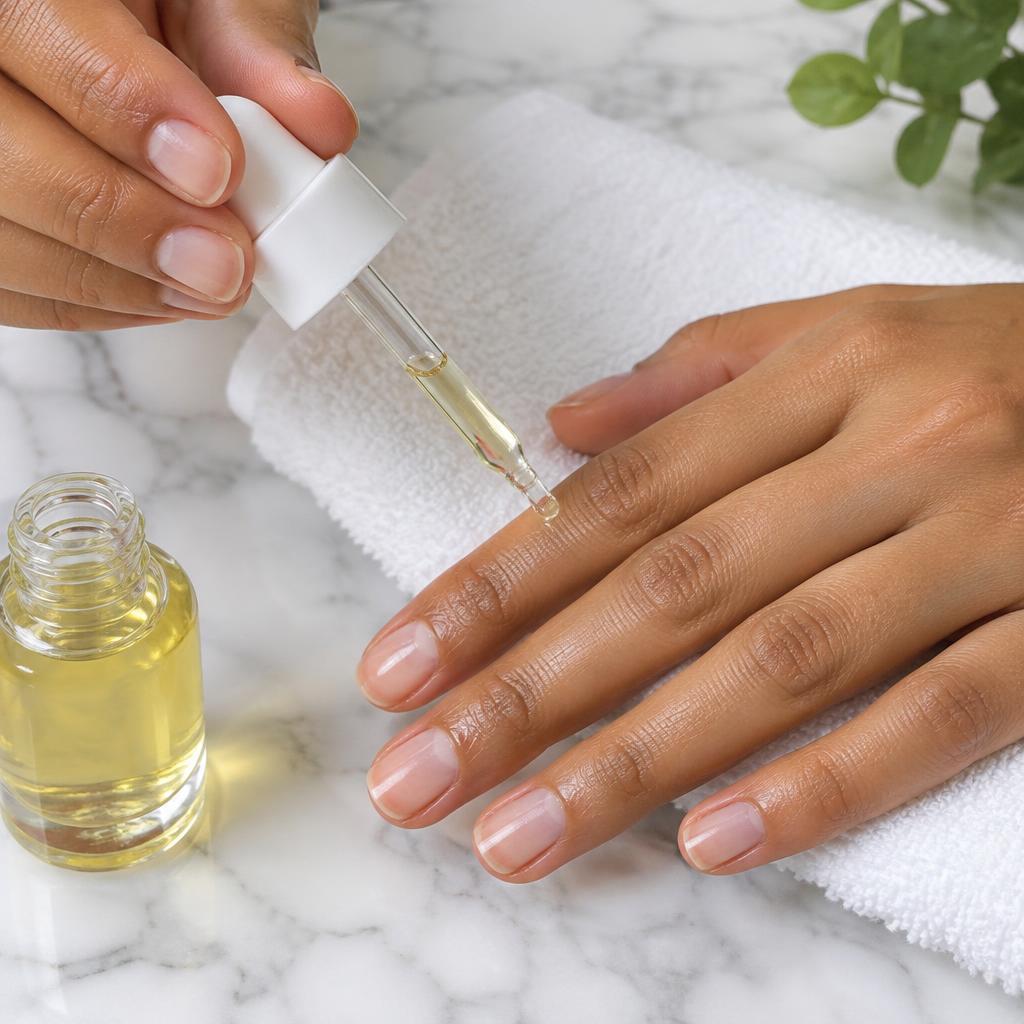
1. Do oil your cuticles daily
Massage a small amount of cuticle oil into the skin around each nail and along the nail edges. Regular moisturizing can help dry nails and surrounding skin feel more flexible, but it cannot repair every cause of splitting. Apply to clean hands and avoid flooding the area before a polish appointment, when excess oil can affect adhesion. If an oil stings or causes redness, stop using it and choose a simpler fragrance-free option.
Pro tip: Apply at night before bed.
2. Don't peel off gel polish
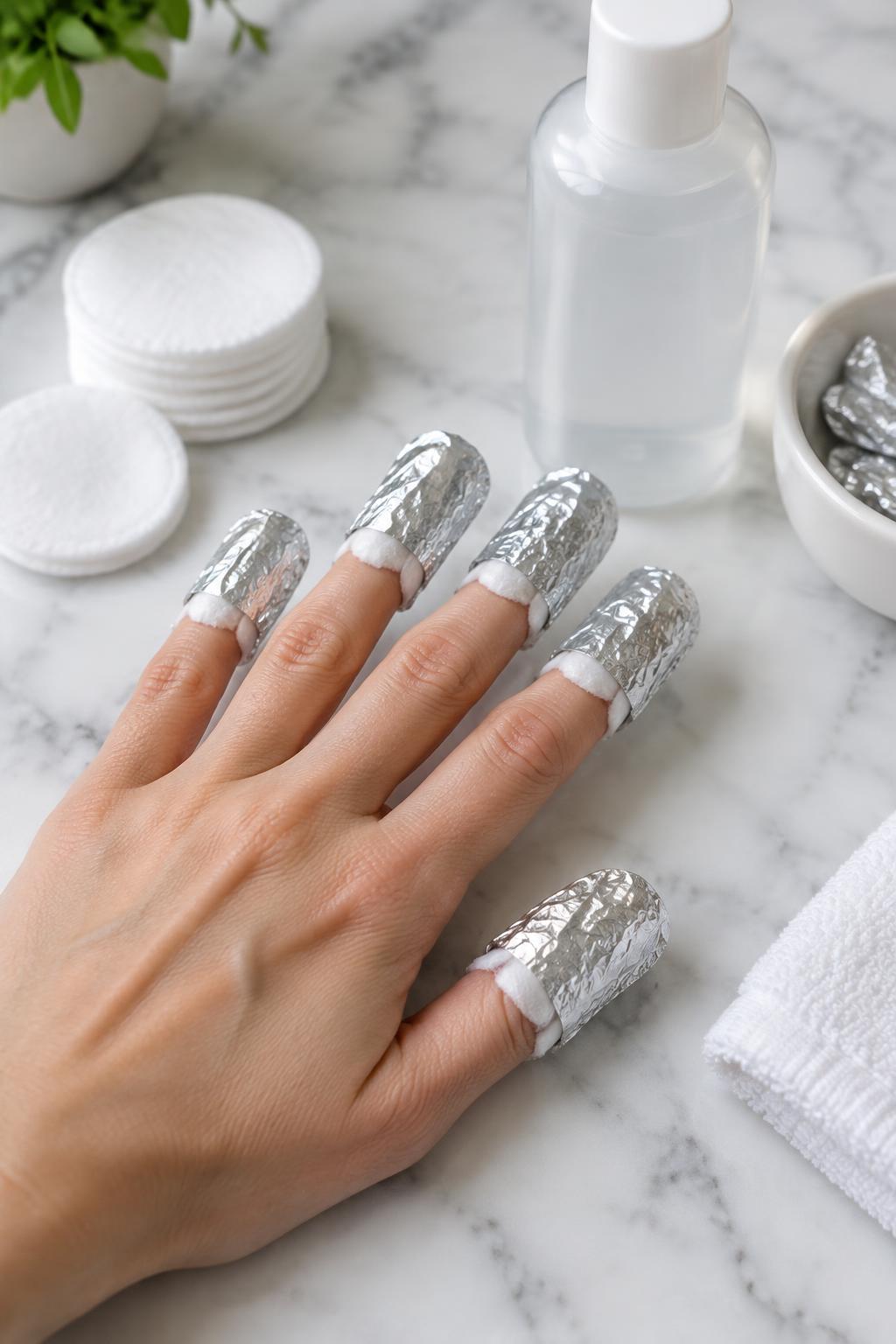
Picking at lifted gel can pull away surface layers of the natural nail and leave it rough or thin. Use the removal method recommended for the product instead: some soft gels soak off, while hard gels require professional filing. Keep remover away from broken skin and do not force off material that has not released. If you are unsure what was applied, ask your nail technician before attempting removal at home.
Pro tip: Confirm your gel is soak-off and follow its removal instructions; hard gel needs professional removal.
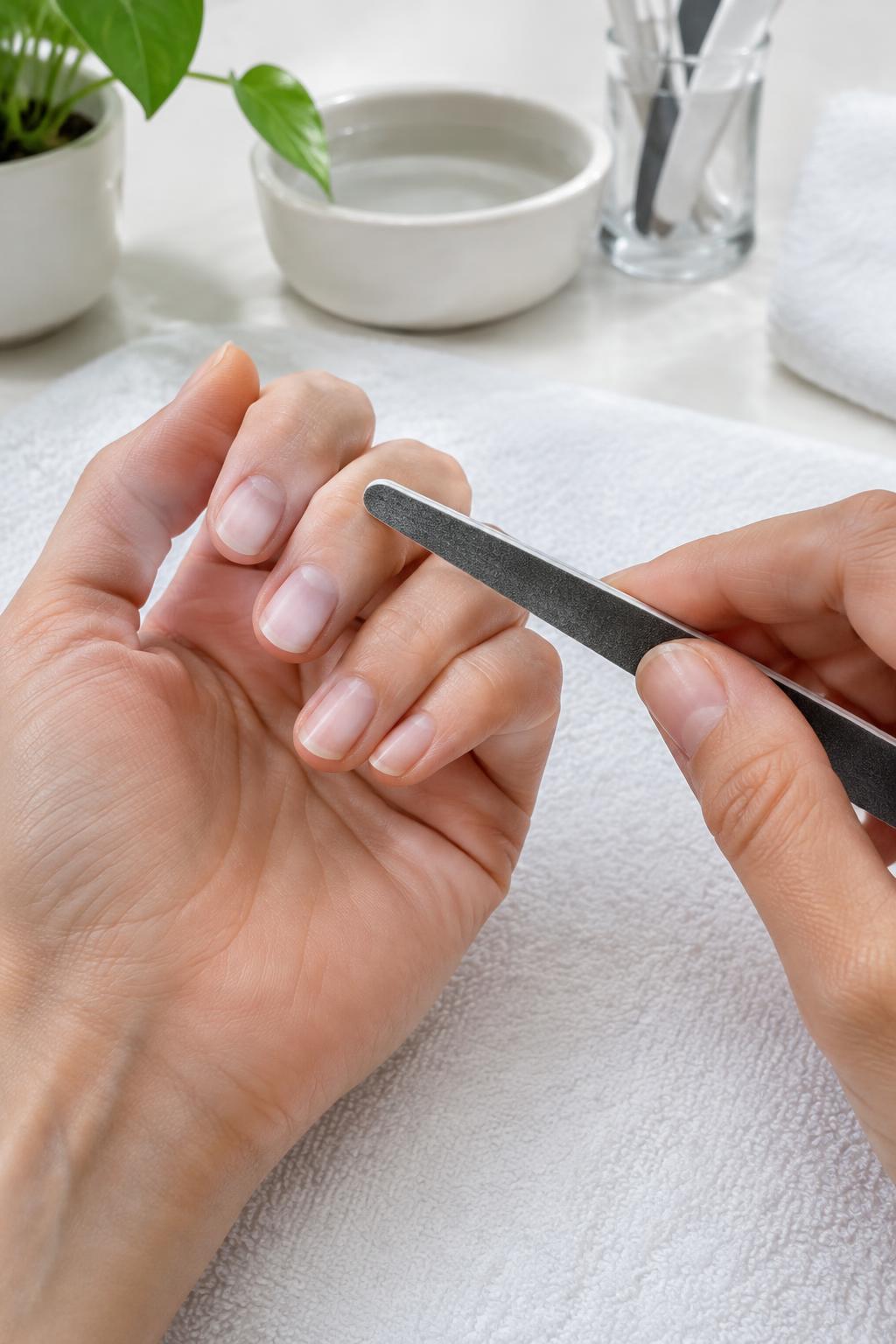
3. Do file in one direction
Use a fine-grit file and light pressure to smooth the free edge of a natural nail. Work in controlled strokes rather than aggressively sawing, supporting the finger so the nail does not bend. Shorter lengths with rounded corners are often easier to protect if your nails catch or split. Avoid filing deeply into the sidewalls, which can weaken the shape and make snagging more likely.
Pro tip: Use a 240-grit file on natural nails.
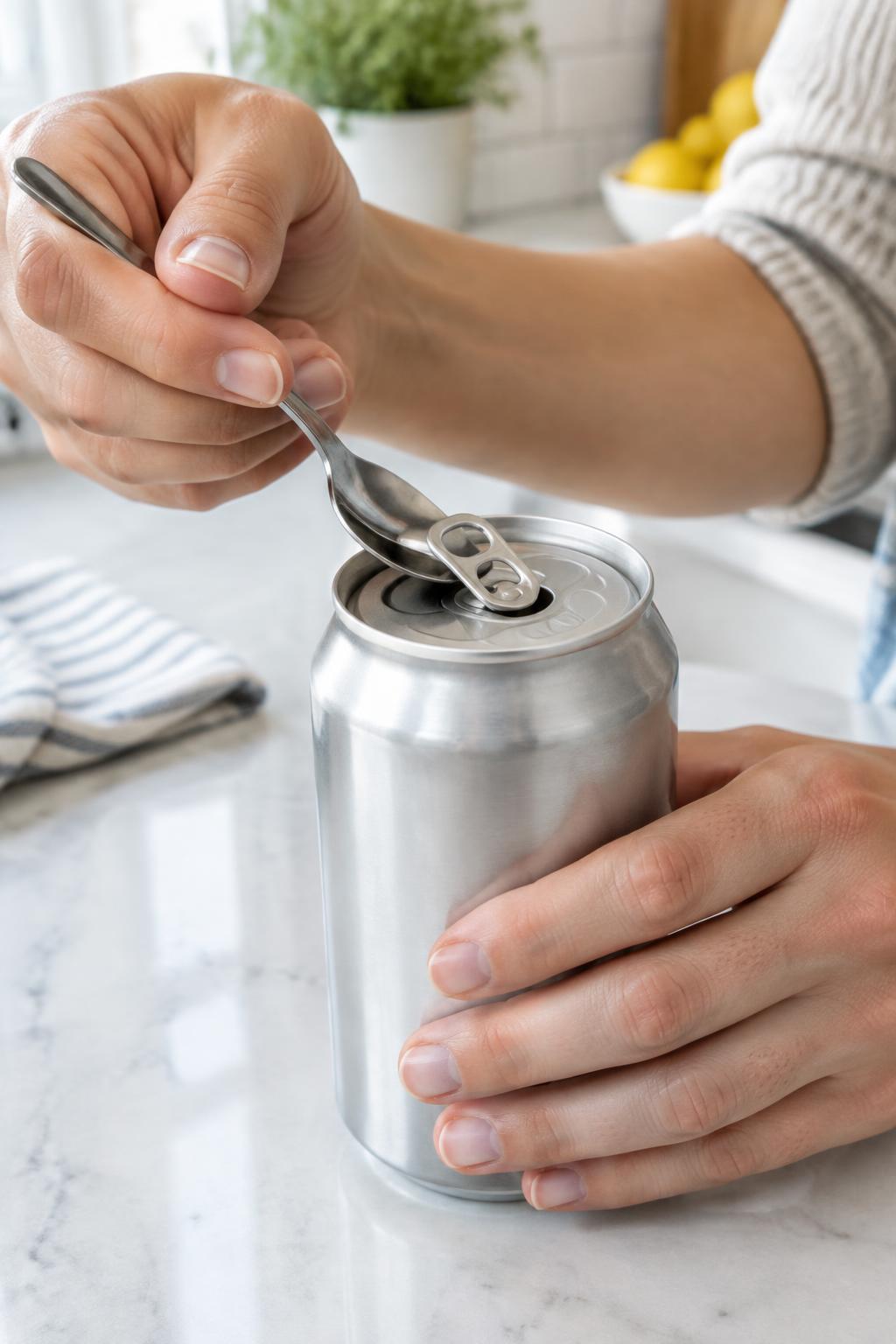
4. Don't use nails as tools
Use a spoon, opener or scraper instead of pushing a nail beneath a can tab or stubborn label. Repeated leverage puts stress on the free edge and can crack natural nails or lift enhancements. Keep a useful tool where you normally do the task so it becomes the convenient choice. The same principle applies to opening packaging: reach for scissors rather than digging in with a nail.
Pro tip: Keep a small tool on your keyring.
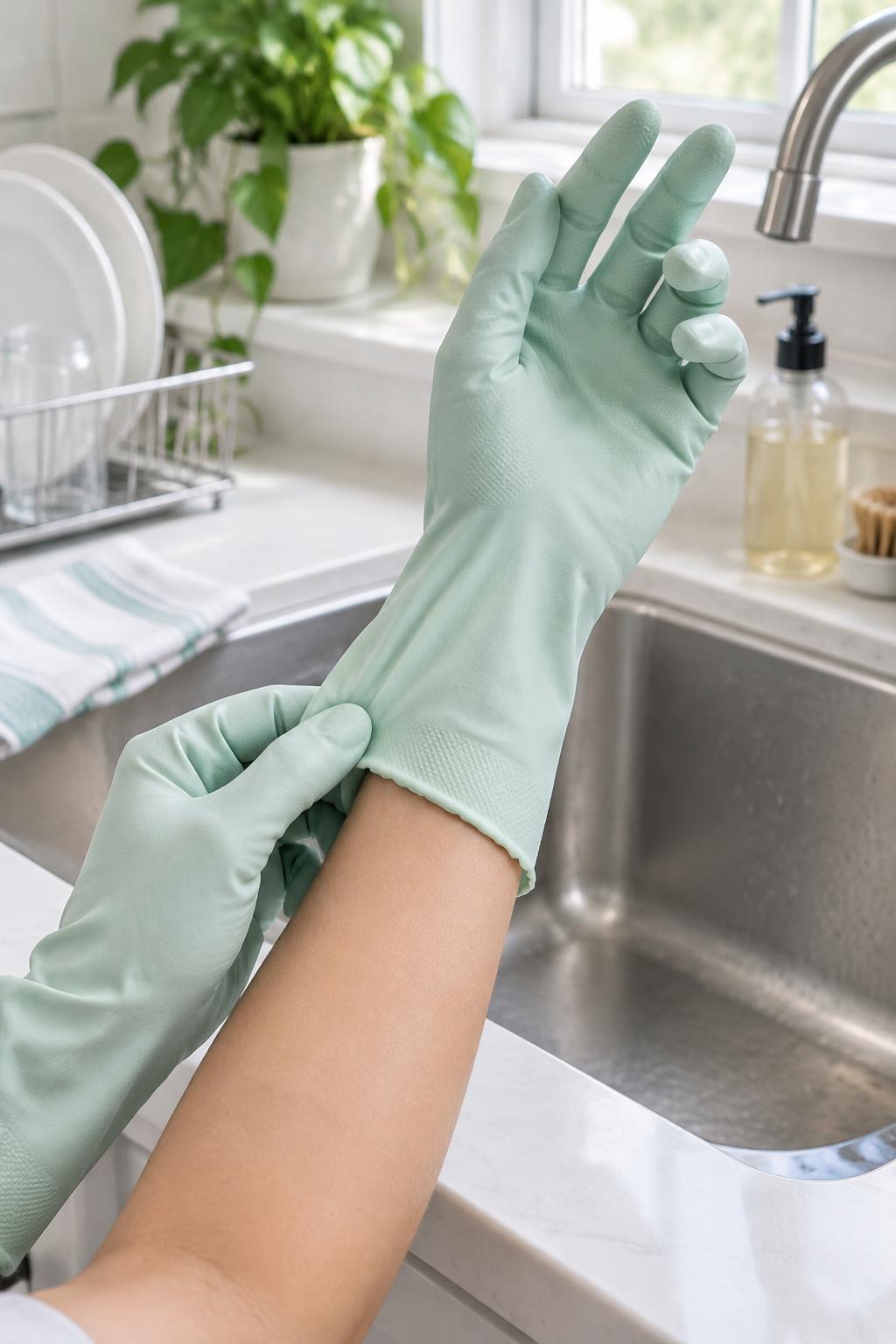
5. Do wear gloves for wet cleaning
Repeated soaking and exposure to cleaning products can leave nails and surrounding skin dry. Wear suitable household gloves when washing dishes or using cleaners, and dry your hands afterward. Choose gloves that fit comfortably so you can grip objects without straining the fingertips. Follow the cleaning product safety instructions and replace damaged gloves rather than relying on a torn barrier.
Pro tip: Keep a pair of gloves beside the sink so protection is easy to remember.
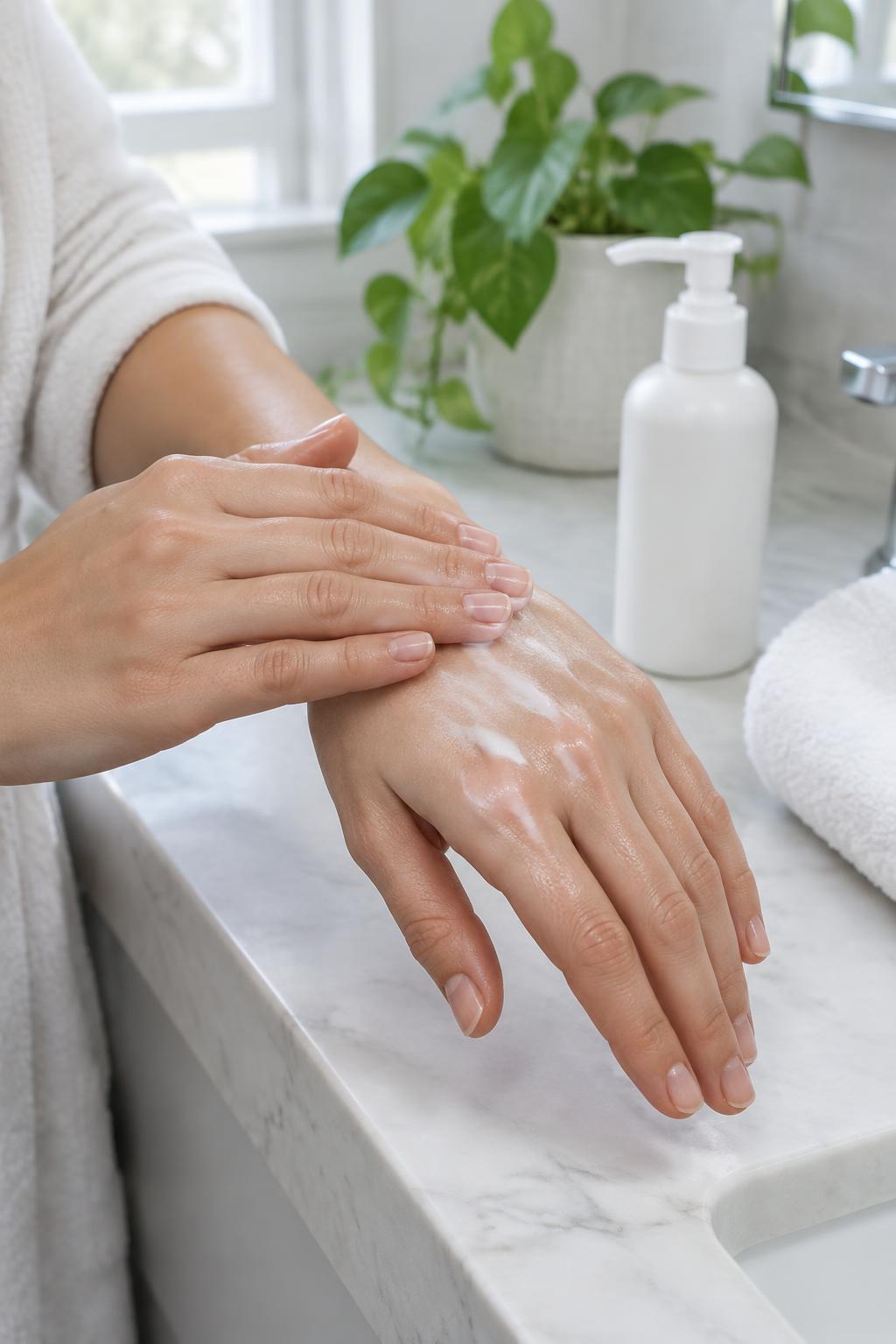
6. Don't ignore dryness or persistent changes
Apply a simple hand moisturizer after washing and pay attention to changes that do not settle. Persistent splitting, pain, swelling, unusual discoloration or separation from the nail bed deserves advice from a qualified clinician rather than another layer of polish. Avoid covering irritated skin with gel or picking at sore areas. Everyday care supports comfort, but it is not a substitute for diagnosing an ongoing nail problem.
Pro tip: Choose a fragrance-free moisturizer if your skin is sensitive.
Small habits add up — your next manicure will last longer for it.